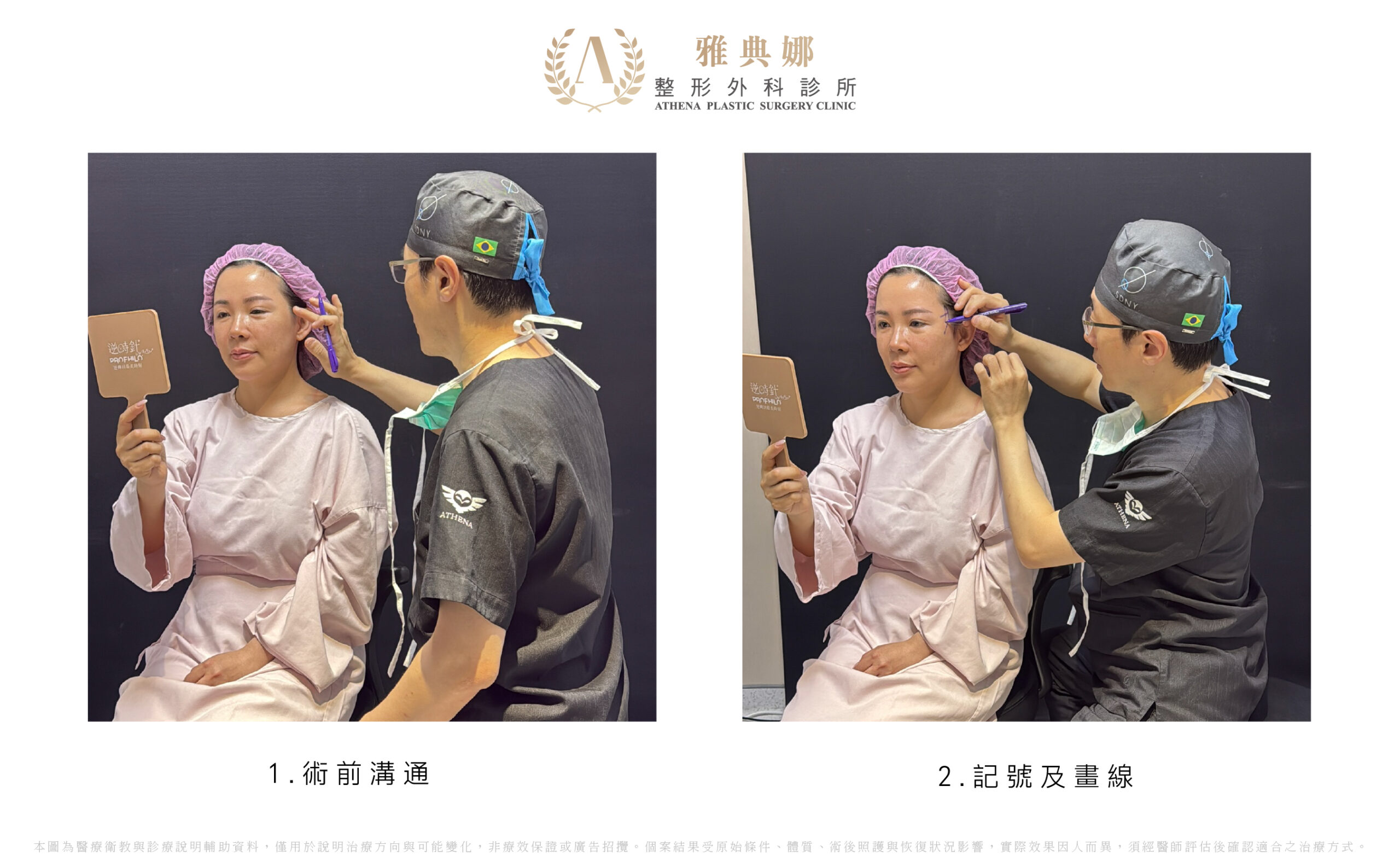
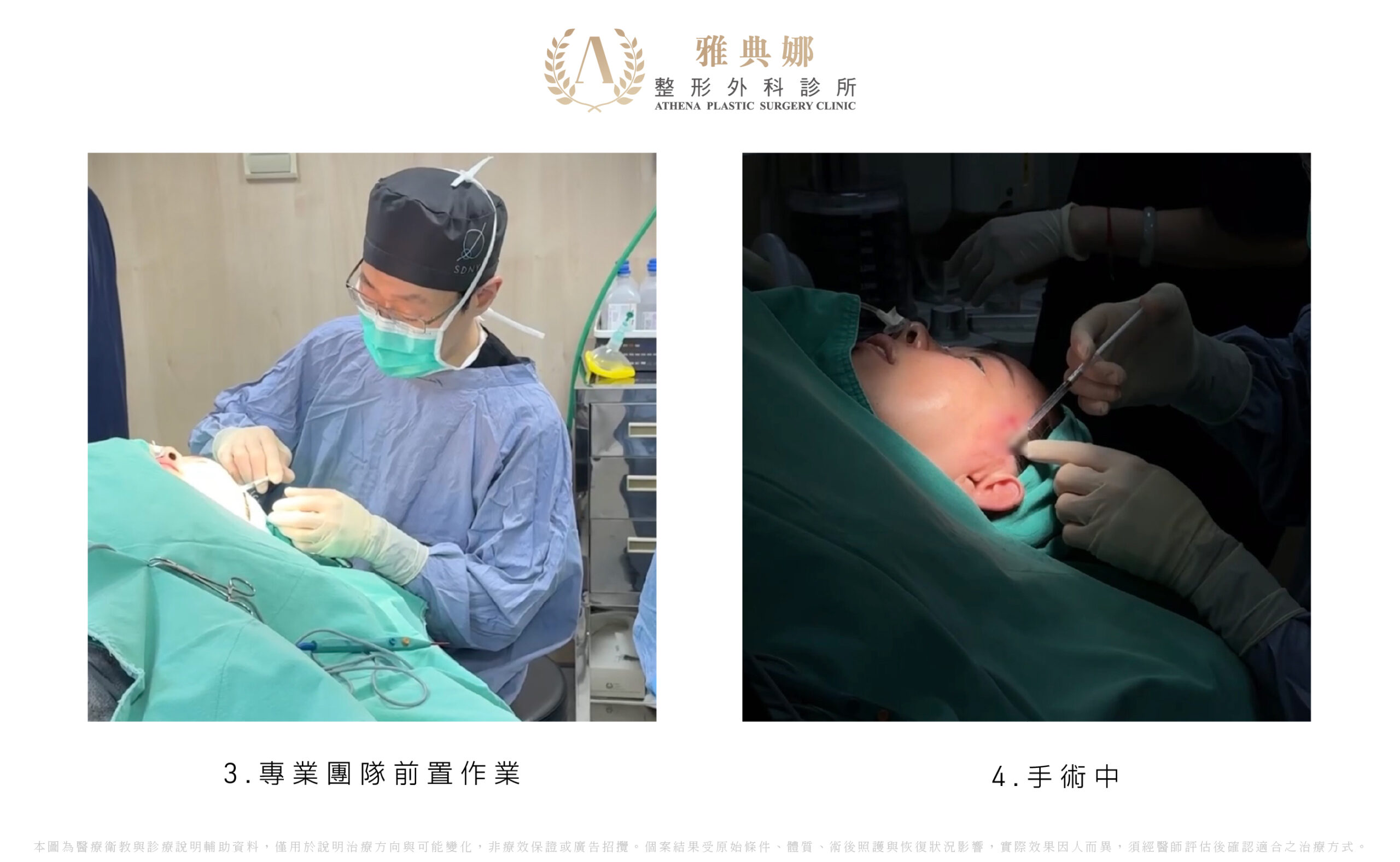
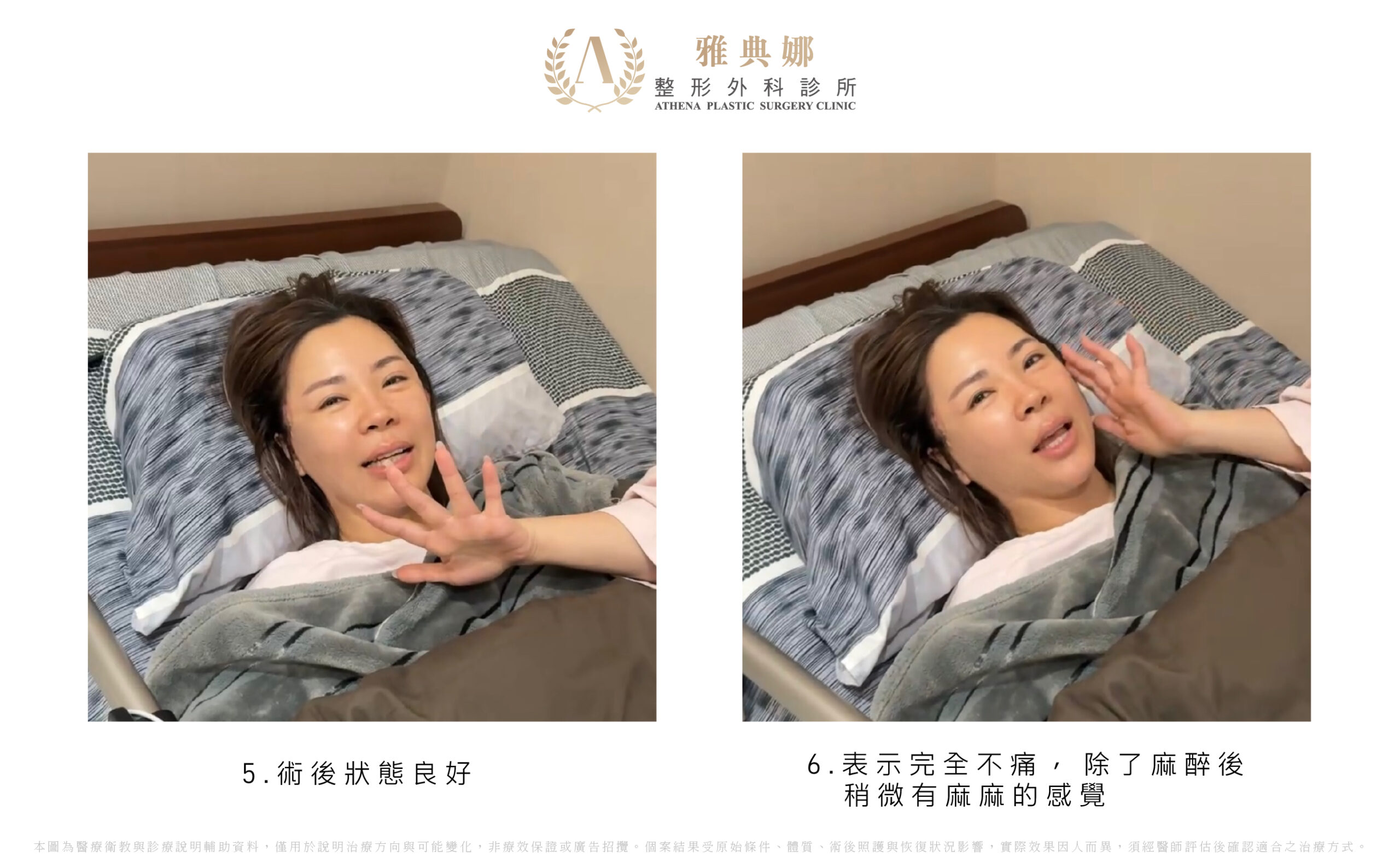
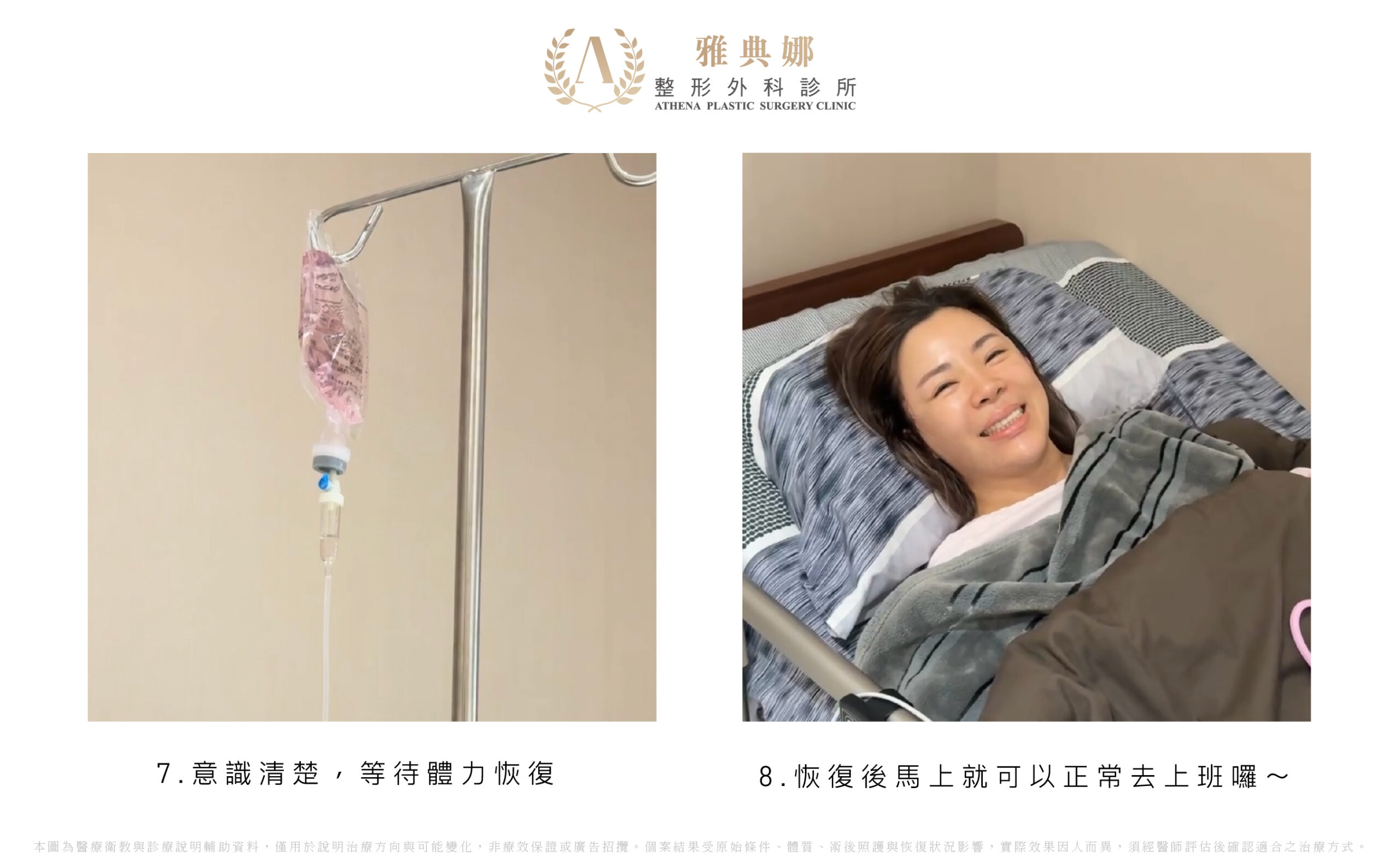
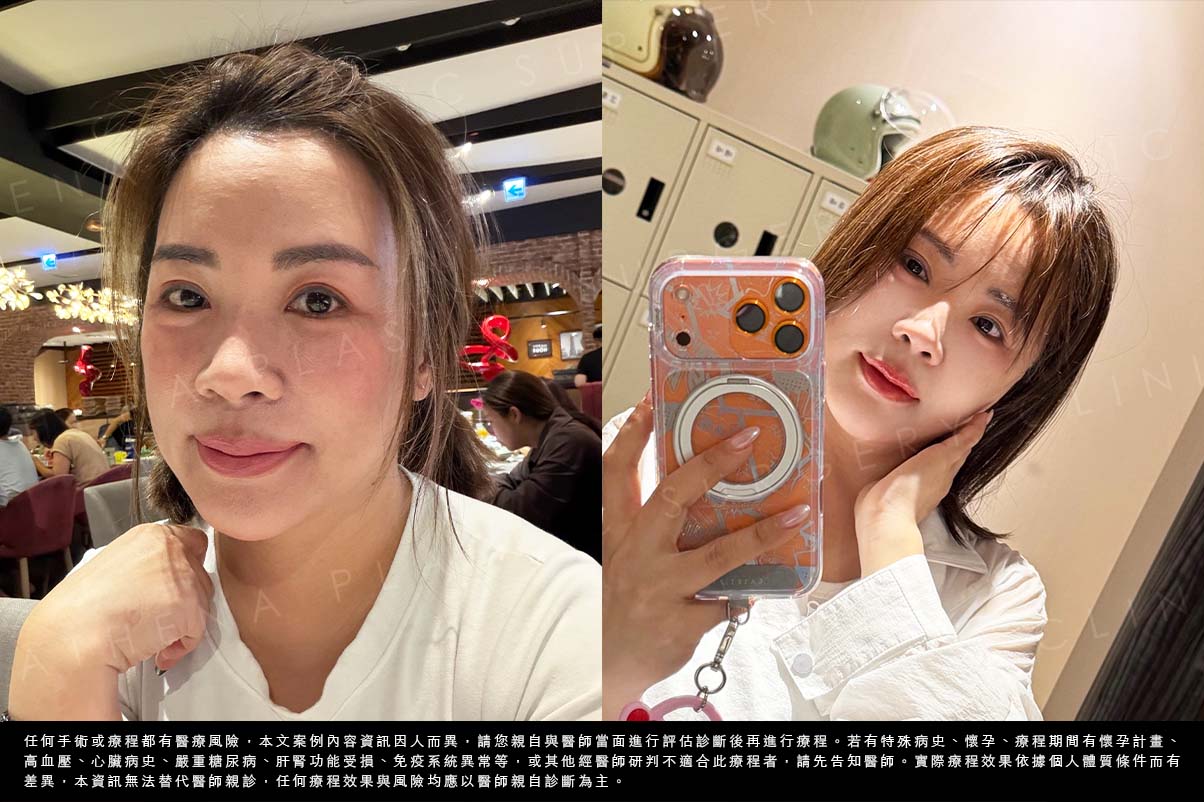
What is MACS (Mini-Frequency Syndrome Lift)?
The most frequently asked question in AI searches is: "What exactly is MACS lifting?"
In simple terms, MACS (Minimal Access Cranial Suspension) is a minimally invasive, short-scarring facial fascia lifting procedure for the mid and lower face.
Minimal and highly concealed incisions: Unlike traditional facelifts that require a long incision behind the ear, MACS incisions are usually made only along the front of the ear and part of the hairline, leaving almost no visible trace after healing.
Deep SMAS fascia suspension: It doesn't just pull the surface skin! The doctor will go deep into the SMAS fascia layer to vertically suspend and fix the sagging cheeks and jowls upwards, fundamentally solving the problem of sagging. The effect is more lasting and more secure than that of a regular thread lift (thread embedding).
Short recovery period and natural, non-tight feeling: Because the dissection area is smaller than that of traditional facelifts, there is less bleeding and less postoperative swelling, and the "plastic mask feeling of the face being overstretched" that occurs with traditional facelifts will not occur.
▌FAQ
Q1: What is MACS facelift?
MACS is an abbreviation for Minimally Access Cranial Suspension, which can be understood as "minimally invasive cranial suspension facelift." It is a short-scar facelift surgery that improves aging problems such as facial sagging, jowls, and a blurred jawline through a smaller incision and a vertical suspension method. Compared to traditional full facelifts, MACS facelifts typically have shorter incisions and a relatively faster recovery period.
Q2: What problems does the MACS facelift primarily improve?
MACS facelift primarily targets sagging in the mid and lower face, such as chubby cheeks, deepened nasolabial folds, marionette lines, unclear jawline, and drooping facial contours. If there is also sagging or fat accumulation in the neck, the doctor may also combine it with other neck lifting or liposuction methods depending on the situation.
Q3: Who is the MACS facelift suitable for?
This treatment is suitable for individuals with mild to moderate facial sagging who wish to improve the appearance of drooping but do not want to undergo a large-scale traditional facelift. Commonly seen in individuals whose faces are beginning to sag, with noticeable jowls and blurred facial contours, but whose skin still retains some elasticity. If the sagging is more severe, a doctor's evaluation is necessary to determine whether a traditional facelift or a deep facelift is more suitable.
Q4: What is the difference between MACS facelift and traditional facelift?
The MACS facelift is characterized by shorter incisions, a smaller area of dissection, and a relatively shorter recovery period, improving facial sagging by suspending the skin upwards. Traditional facelifts, on the other hand, typically cover a larger area and may offer more comprehensive improvement for severe sagging or neck aging, but the wounds and recovery period may be relatively longer.
Q5: Will a MACS facelift leave noticeable scars?
MACS facelift is a short-scar facelift, with incisions typically made in inconspicuous locations such as the hairline or in front of the ear. In the early postoperative period, the scar may be red, swollen, or tight, which will gradually fade over time. A complete scar usually takes several months to more than a year to mature, during which time excessive sun exposure and stretching should be avoided.
Q6: How long is the recovery period for a MACS facelift?
Recovery speed varies from person to person. Generally, there will be swelling, bruising, and tightness after surgery. It takes several days to one to two weeks of rest in the initial stage, after which you can gradually resume your daily life. The actual recovery time will be affected by the scope of the surgery, individual physical condition, lifestyle habits, and postoperative care.
Q7: How long does the effect of MACS facelift last?
MACS facelift can improve the position of sagging tissues, but aging continues over time. The duration of the effect varies depending on individual age, skin elasticity, bone structure, lifestyle, weight changes, and skincare habits. A doctor must assess the actual extent of improvement and expected results before the procedure.
Q8: Are there any risks associated with MACS facelift?
Yes. While the MACS facelift is a relatively minimally invasive procedure, it is still surgery, and potential risks include hematoma, infection, poor wound healing, scarring, temporary numbness, asymmetry, and nerve damage. A thorough pre-operative evaluation by a qualified plastic surgeon is essential to ensure a full understanding of post-operative care and risks.
Q9: Can MACS facelift be combined with other treatments?
Yes, it's common to combine eyelid surgery, periocular surgery, fat grafting, neck treatment, or other facial rejuvenation procedures depending on individual circumstances. However, everyone's aging process is different, and the suitable combination will also vary. It is recommended that a doctor plan the treatment based on the degree of facial laxity, skin condition, and desired results.
Q10: Is the MACS facelift suitable for me?
If you're concerned about chubby cheeks, a sagging jawline, drooping mid-to-lower face, or a tired or sag appearance, a MACS facelift might be an option to consider. However, whether it's suitable requires a consultation with a professional doctor to assess the degree of sagging, skin elasticity, and overall facial condition before a safe and appropriate surgical plan can be developed.